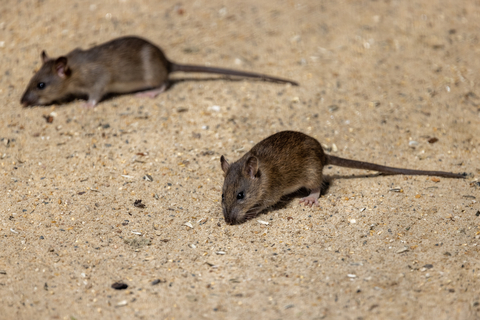
Oliver Council asked staff to come back and identify and explain the current “Pest Management Practices” which originated from a recent email dated June 2, 2021 from Sara Dubois, BC SPCA regarding the use of rodenticides on Town properties and for Council to explore creating a bylaw and policy to develop a pest management policy.
‘Pest Management’ is managed out of the Operations Department is currently using a contractor to manage any rodent problems on various properties and in some buildings. The Town currently has no policy and the contractors are managing rodents with three different types of rodenticide bait traps. Here is the breakdown of current bait stations and properties/buildings (our most problematic areas) they are located in or at:
Public Works Property;
• 12 Exterior Bait Stations around five buildings (PW Building, Lean-to, STP, High Lift & Dog Pound),
• 18 Micro Mouse Stations inside three buildings,
• 6 Sidekick stations inside three buildings.
Waste Water Treatment Plant (Topping Lake);
• 6 Exterior Bait Stations around two buildings (Blower & Chlorine Pump),
• 8 Micro Mouse Stations inside two buildings,
• 2 Sidekick stations inside two buildings.
Blacksage Domestic Treatment Pump Station
• 6 Exterior Bait Stations around two buildings (PH’s),
• 6 Micro Mouse Stations inside two buildings,
• 3 Sidekick stations inside two buildings.
We receive a detailed monthly report for inspections of each trap and location and notifies us if there is any activity during the month. Generally the fall and winter is where we see the most
activity when rodents are trying to look for food and get into the warmer areas. For this service the Town pays $330.75/month (w/taxes) which equates to $3,969 annually.
When staff talked to our current contractor and informed them that we were interested in learning about non-rodenticide bait traps and this is the information we received:
Snap Traps/Glue Tape/Ketchell
Pros
• will kill rodent on site
Cons
• Rodents can identify the area or the device as dangerous and avoid it (which means each time we would need to try and place them in the new pathing area, this results in more visits per month, which is a higher cost to the customer.
• Can only fit 2 snap traps per outside station, which means each station can only kill 2 rodents per visit max.
Rodenticide
Pros
• Rodents identify the station as a good place for feeding and tell the colony, when they return
• Quicker results, meaning cheaper for the customer
• Feeds up to 20+ Rodents per refill of station
Cons
• Residual poisoning could potentially happen if the rodent is eaten. 1 feeding kills 1 8oz or smaller rodent. (owls are typically 8x the body weight of a rat to compare)
Our Contractor did note that they need to follow strict Provincial Regulations for rodenticide and when bait traps are properly set up, that most rodents generally only have enough to affect them and not another predator animal (non target species). When doses are not monitored or properly distributed to rodents, that is where it can be a problem for predator animals.
The Town has recently received a few pieces of correspondence encouraging the Town to ban anti coagulant Rodenticides on Town-owned properties. Correspondence is attached from the SPCA, including reports completed by the District of North Vancouver about the harmful affects of rodenticides and cites several reports of its potential harmful affects. Many different species of predator animals can be affected by this poison and this poison bait is made to smell and taste favourably for rodents which attracts them to those locations. It generally takes several days for the rodents to die and during that time, make them susceptible to non-target wildlife