What is Influenza?
Influenza is a respiratory infection caused by viruses of the family Orthomyxoviridae.
These viruses contain a lipid envelope. It can be distinguished from the common cold (which is also caused by viruses) because it generally results in a more severe illness, with a sudden onset of headache, chills and cough followed rapidly by a fever, appetite loss, muscle aches, and tiredness.
Cold symptoms, on the other hand, generally involve the upper respiratory tract with runny nose, sneezing, watery eyes, and throat irritation, and disappear in a few days.
Influenza typically lasts a week to 10 days.
The incubation period for influenza is 24 to 72 hours. Adults with influenza remain infectious for 3 to 5 days after onset of symptoms, and children may remain infectious for up to a week after onset.
In some people, especially young children and those over 65 years of age or people with other systemic illnesses (e.g. heart disease, diabetes, cancer, respiratory illnesses) influenza can be very severe, requiring hospitalization. People with these risk factors should receive immunization against influenza each year.
The death rate for influenza in Canada is 500 to 1500 cases per year. The combined, influenza and pneumonia which is a common complication of influenza, kills more than 8,000 people a year.
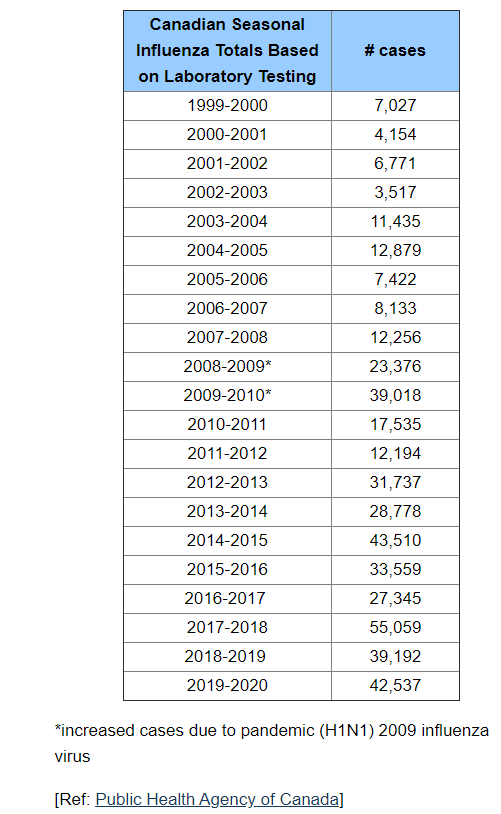
Reference Point – above graph does not include Pandemic Covid 19 figures
***
There have been 23 million infections of Covid 19 in the world since January
There have been 800 thousand deaths due to Covid 19 in the world since January
It is recognized that most or a very high percentage of those infected survive and that most of the deaths are in an age cohort of 70 years plus.