 Dr. Silvina Mema, Interior Health Medical Health Officer:
“This season seems to be more burdensome, more severe, affecting more people and causing more hospitalizations than the last H1N1 season,” Mema said.
Mema also says they’ve seen more younger people die from flu-related complications this year.
“Not too many, but a few deaths have occurred among younger people,” she said, without providing details.
H1N1, known as the swine flu is the dominant strain this year. It was last seen during the 2015-16 season.
“We are seeing the shift from the elderly people in the last couple of years, while this year is more of a younger demographic,” said Dr. Mema.
“We knew this virus affects more children, pregnant women, and not the seniors particularly.”
In the Interior Health region, 50 children under the age of 10 had been hospitalized up to the end of December, while in 2015-16, just eight were hospitalized throughout the entire flu season.
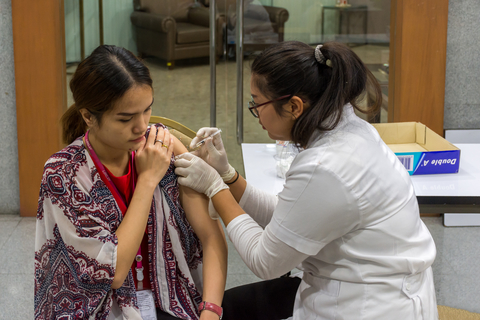
IH is encouraging the public to get vaccinated. While Mema says it’s close to being the peak of the flu season, it can stick around well into March.
Despite the severity of this year’s flu, Mema says those experiencing flu symptoms don’t need to rush to the hospital.
“If someone has the flu, they can stay home, get hydrated, maybe visit their family doctor.
But if they’re experiencing shortness of breath, chest pain, something that would be what we call ‘red flags,’ then absolutely they need to go to the hospital and be assessed,” Mema said.
Source: Interior Health and Castanet
See poll to the right