Lest we forget… what? The annual parade and ceremony of Remembrance is, on the day of, a time to remember and honour those who have served and especially those who have died, in a War. What ought we remember on the other 364 days of our years? Where do Wars come from?
Leaders of countries have the power to send troops into the battlefield. When one leader sends troops into the territory of another country, that leader sends troops to repel the attack. The War, it seems, does not stop until one side in the conflict is spent, clearly unable to fight with any effect anymore. The German surrendered in May of 1945.
The nuclear bomb convinced Japan to stop fighting which ended the second World War.
How is it that a leader agrees to massive killing of our fellow human beings? Some will say there is moral principle at stake. Left unopposed the one who started the invasion would, apparently, impose their will on our citizens, change what is important in our country, change everything for the worse. They would take, or more accurately, claim our land as belonging to them and all of these things would be too much to ignore, to allow. The people of the invasion speak up in opposition, and when that is not enough, they fight for what they believe to be right and to be theirs.
This is an argument without a winner as many die on both sides of it… until at least one side is spent, unable to continue the war. Drastic.
Remembrance Day is a time to remember those who left hearth and home to fight for that which was, in their hearts and minds, worth fighting for. Those who died in the process are especially remembered and honoured.
Such conflict is never a total surprise. WWII was expected in the mid 1930’s. Germany did some things that were ‘unacceptable’ yet were accepted, the cost of War yet too great. Something that needed to be stopped, wasn’t because it would be too hard, too unpopular, too costly on many levels. And the War came. The death tolls rose. Germany attracted Italy and Japan as allies offering world domination as the reward.
How do these things start?
These things start in the mind of future Leader at school age. That person is likely to have experienced bullying, whether as victim or offender or observer. They learned that the bully is to be allowed minor transgressions, maybe only being given a mild talking to as the push back of society to his/her actions. The bully keeps what they took. What children learn they bring with them into adulthood and the workplace. The bully experience feeds more enabling of bullying. The bully gains power and leadership roles, from which, for some, at some time, they have the influence to send out the troops in order to take or punish at their whim. Stopping them at this point is far more costly on all levels but one. The will of the people is strong enough that the disdain for death is less than the disdain for what the bully is about to do. If there was no bullying, many of today’s wars would not happen. Lest we forget.
As we remember and honour those who fought in the Wars, let us clearly remember that the seed of the idea of taking and punishing at whim are formed in children. Lest we forget, that we pay our Fallen the greatest honour by giving our every attention, our every effort to the way we act toward one another and most importantly of all, in our every teaching for our young citizens. Lest we forget where and how the very idea that War is a good option can be born.
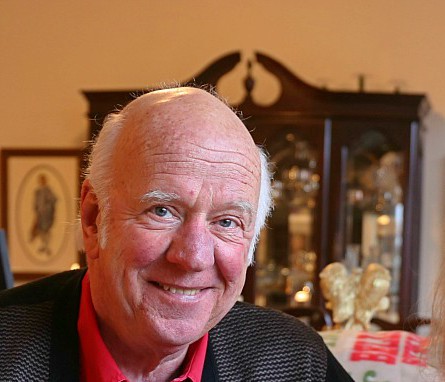
In Remembrance, Lest we forget
Joseph Seiler
(Think about it with Joseph Seiler returns next week)