Purpose:
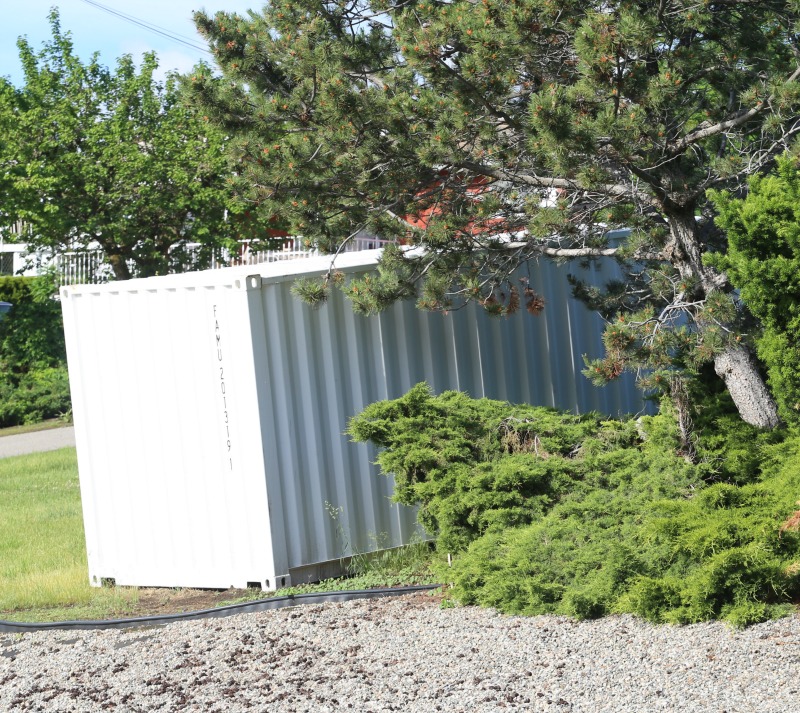
The purpose of this report is to discuss the possible introduction of regulations governing the use and placement of metal shipping containers within the Okanagan Electoral Area zoning bylaws.
Background:
The regulation of metal storage containers is already being undertaken by Penticton, Summerland and Oliver. These local governments generally permit containers only in industrial and commercial zones and include provisions which:
· limit the stacking of containers to no more than two (2);
· exclude their placement in residential zones;
· prohibit their placement between a principal building and the street frontage;
· prohibit their placement on required on-site parking spaces; and
· establish a maximum number of containers per parcel (i.e. 10).
The impetus for this review is related to the direction contained within the 2016 Business Plan to develop “a consolidated Okanagan Valley Zoning Bylaw” as well as the direction in the 2017 Business Plan to ensure “all existing bylaws and policies are kept in a current and useful form …”
The current Okanagan Electoral Area zoning bylaws were adopted on November 6, 2008, and have been subject to numerous amendments in the intervening years (i.e. over 30 in Electoral Area “C”). In the coming months, Administration is anticipating seeking direction from the Board on a number of existing and potential land use regulation and zone changes as it continues to work toward an updated Okanagan Electoral Area Zoning Bylaw.
Analysis:
Despite the Electoral Area Zoning Bylaws being silent on the use of metal storage (“shipping”) containers, Administration has interpreted these to be “accessory structures” that are allowed within a zone provided they are being used in association with a principal permitted use and comply with all relevant zoning provisions (i.e. setback, building height, parcel coverage, etc.). The use of metal storage containers within the Regional District, due to their versatility and ease of re-use for residential, agricultural, commercial and industrial purposes, has led to an occasional concern being expressed, including:
· aesthetic considerations (i.e. compatibility with residential neighbourhoods / highway
commercial developments);
· safety concerns (i.e. targets for break-ins when being used for storage purposes); and
· Building Permit implications (i.e. confirmation the structure complies with the BC Building Code in relation to its intended re-use). From an aesthetic point of view, there is little to differentiate the built form of a metal shipping container from a single wide mobile home, and the Board has previously implemented regulations to
prohibit the latter in most Small Holdings and Residential zones. As a matter of consistency, there may be merit in taking a similar approach to regulating the use of shipping containers. With regard to possible safety concerns, Administration is unaware of any data regarding the prevalence of break-ins involving metal storage containers versus more traditional accessory buildings or structures.
Staff likely to have proposed bylaw in place later this summer.