By ROY WOOD
Oliver council continues to swim against the current on the subject of water conservation, saying that the area has plenty of water and that calls for “drought planning” are scaremongering.
During Monday’s quarterly report to council by operations director Shawn Goodsell, Mayor Ron Hovanes asked about progress on a “drought management plan.”
The mayor pointed out that he is now on the Okanagan Basin Water Board and said there is pressure for his town to have such a plan.
“Everyone is trying to shame us into doing something,” he said.
Councillor Jack Bennest argued that the term “drought” should not be used and that a more appropriate term would be “water management plan.”
He said that even during the dry summer of 2015, Oliver was not in a drought situation and the town and rural area had plenty of water. “Our aquifers were in good shape even in that dry year.”
Water Councillor Rick Machial agreed, saying the word “drought” is “alarmist” and “scare causing.”
Machial went further, suggesting that many of the projects involving contingency planning around possible water shortages are mere “make-work projects” for bureaucrats.
He said there are a few members of the agricultural community who wastefully over-use water, but they are in a minority and it should be up to the town to deal with them.
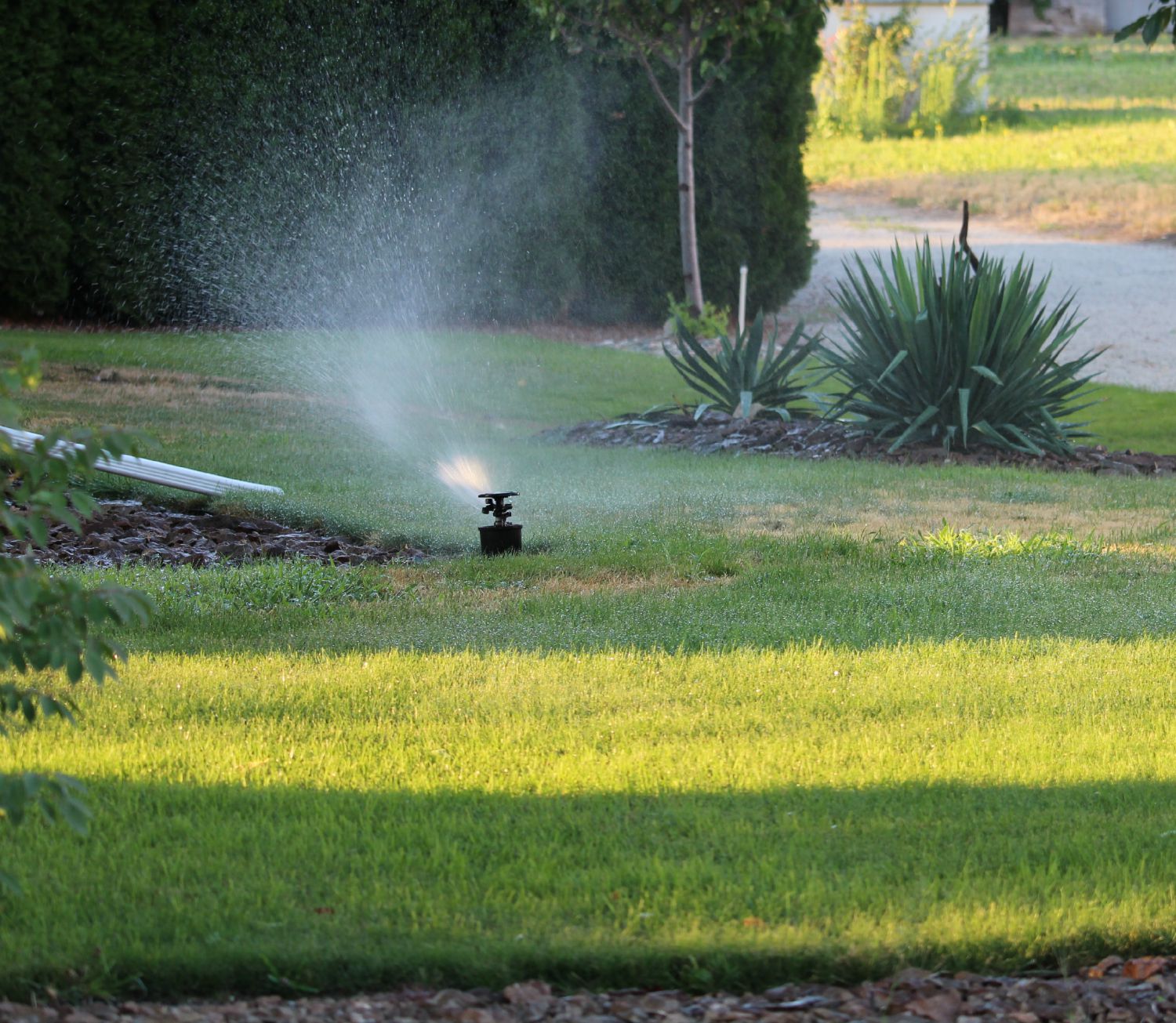
He pointed to the unfortunate habit among some farmers of “watering the road,” the practice where irrigation sprays end up well outside a farm boundary and onto the roadways. He added that the town is also guilty of the practice in watering some of its green space.
Goodsell pointed out it is difficult to avoid irrigation water ending up on roadways when the wind is blowing.
Hovanes did not disagree with fellow councillors about the use of the word drought. But he said, “Ethically, we should have a good water management plan.”
Oliver has generally resisted the conventional approach of imposing water-use restrictions at the slightest hint of hot weather.
This year and even in the particularly hot summer of 2015, the town did not impose residential lawn watering restrictions.
Southern neighbor Osoyoos, by way off contrast, initiated three-days-a-week watering rules in early spring this year despite no indication of a water shortage and with inconclusive data about the depth of water in the town’s wells.
From ODN Files July 28th 2015
 By ROY WOOD
Despite a province-wide drought, water levels in Oliver-area wells are not alarmingly low and town council decided Monday not to invoke water restrictions on domestic water users.
Town operations director Shawn Goodsell told council Monday that the provincial government has the power to impose water restrictions on the town if the drought moves from its current level 3 to level 4. “But I can’t see them doing that,” he said. Goodsell said that levels in the wells that supply residential users are down slightly, but not drastically. A table showed them to be between 3.6 and 10 per cent below average and well above the lows recorded during the 2009 drought.
Water use in the town has slowly been creeping up since it dropped dramatically in 2010 with the introduction of water meters and charges based on use.
Goodsell recommended that council consider imposing moderate water restrictions on residential users in an effort to “get people thinking about” their water consumption. “It may be difficult to come up with appropriate measures to determine when we institute water restrictions, but anything a community can do to reduce water waste right now supports all the hard work that’s gone on restoring the salmon fishery in Oliver and Osoyoos,” Goodsell said in his report to council. He suggested moving to the “stage one” water restrictions, which would see lawn watering limited to alternate days between midnight and 6 a.m.
Council decided not to follow Goodsell’s recommendation and instead agreed to have staff gather material in preparation for a possible public education process about water use and conservation. They also agreed to revisit the situation early next spring when information will be available about the snow pack and the likelihood of a drought again next year. Councillor Jack Bennest pointed out that since residents pay for their water use based on volume, any reduction in consumption would result in a loss of revenue for the town. The total water budget for the town is about $2.9 million. Of that, $2.4 million is raised directly from water billing.
Bennest and Mayor Ron Hovanes both lamented the lack of solid information about the town’s water supply. They urged the Okanagan Basin Water Board to provide data about the levels in the aquifers that supply Oliver’s residential water.