The few exercises described and shown in the last few weeks were at a beginner or intermediate level. There are alternatives to make each exercise either easier or harder. And there can be different versions to most exercises.
First, one must learn proper posture by keeping the trunk solid for a safe execution especially once load is added. Learning how to breathe to keep the spine stabilized is also a must to avoid injury.
Below is an example of how to start doing a squat & how it can be progressed over time.
Beginner: Sit to stand from chair or bench
Intermediate: Bodyweight squat with partial of range of motion
Advanced: Weighted Squat with full range of motion
Versions: Front squat, Back squat, Overhead squat, Zercher squat, Bulgarian Split squat, Single Leg squat, Hack squat.
So many to choose from! So where do you start? If you’ve never practiced squatting before, you start using your own bodyweight. If you need a chair, then use a chair. Simply get up from the chair. The trick is to do it with proper form. If you can squat with proper form then next I suggest practicing a squat using your own body weight without a chair & see how far you can comfortably go down. When you are ready to do a weighted squat, start with the goblet squat. The goblet squat has the load centered. 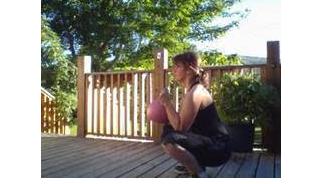
Whatever exercise you choose to practice, be sure to master the beginner level before moving on.
See you in September :)
Disclaimer: It is my pleasure to answer your questions regarding exercises. I am not however able to help you if you’ve recently had an injury or surgery & have not yet received your doctors approval to exercise. You must have the green light to start an exercise program before I can recommend appropriate exercises for you. I am all about safety first!
Move more to feel better.
Where there’s a will, there’s a way & I can find a way that works well for you :)
kandice@persona.ca