Rare Birds and Big Years
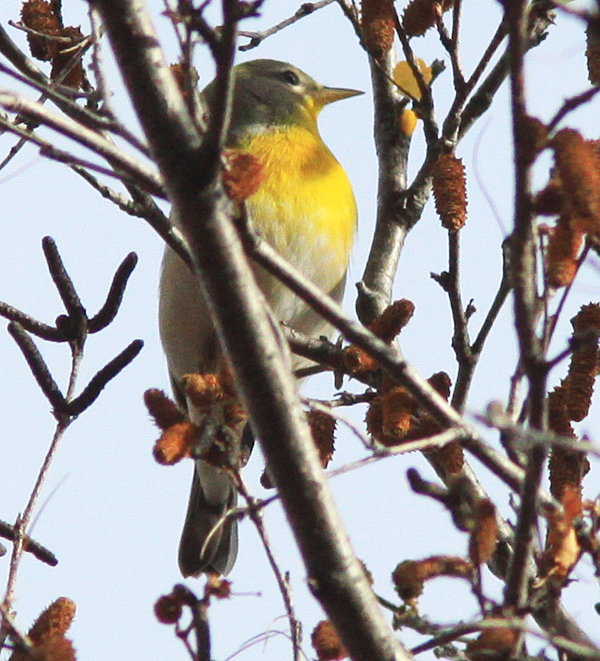
One of the most exciting aspects of being a “ hard core “ birder, ( guilty ), is looking for and finding rare birds, especially when they show up close to home. The South Okanagan is technically part of the Pacific Flyway, a north-south corridor that migrating birds follow every spring and fall, and it is often during these migration periods that unexpected birds turn up. We are in the eastern section of the flyway, and, for that reason, and others, we don’t get as many rare birds as the coast, which is more or less right in the middle of this path. This past fall, for example both the Vancouver and Victoria regions hosted a couple of Asian vagrants that birders from all over North America came to see; ( specifically, Siberian Accentor in Vancouver and a Redwing in Victoria ). Nevertheless rare birds do show up here, and, when they do, we become the center of the birding world at least to other British Columbia birders, and sometimes to birders from much further afield. Probably the most local rarity in recent years was a Northern Parula that spent a couple of weeks in tiny Inkaneep Park off the north end of Tuc-el- Nuit Road in November of 2010. This is a bird that spends most of its life in Mexico, and points further south, and when it does migrate north, it is not normally found anywhere west of eastern Manitoba. A couple of other local notable rarities were a Little Blue Heron, ( West Kelowna ), Black billed Cuckoo, ( Winfield ), a Brambling, an Asian bird, ( Trout Creek ), and Black headed Vireo, ( caught in the nets of the Vaseux Banding Station.) All of these birds showed up during the fall migration period.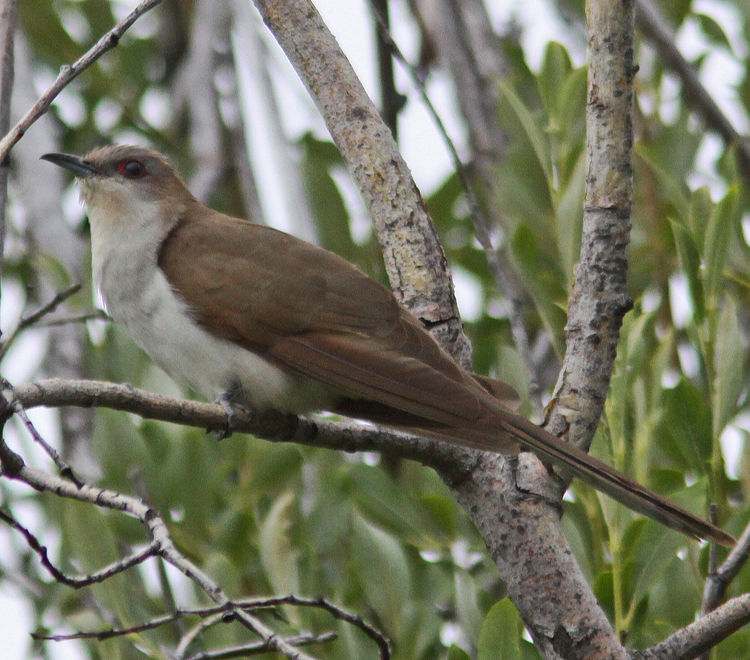
The bad news associated with the occurrence of rare birds is that this is a pretty clear indication that the birds, which are often singletons, are very lost. This can happen because they are associating with species of birds that would normally pass through an expected region, or it can be because the bird’s “ internal compass “ is malfunctioning. If the latter is the case, it usually means the bird will never make it to its regular destination. If moving north, it will never find a mate on the breeding grounds, and, if coming south, it means it will not make it back to its usual winter destination. In the case of the parula, for example, the fact that it was found here in November, which is way past the normal migrating period for sub-tropical birds, probably meant the bird never made it much south of here before perishing. During the excitement of finding rare birds we can forget what the likely outcome is for the bird we are admiring.
The second part of the title of this article mentions Big Years, and it is intricately tied into the concept of finding rare birds. For the word year, you could substitute, day, week or any other period of time. However the “ jewel in the crown “ of all Big whatevers is what the American Birding Association calls a Big Year conducted within the ABA area. It is, or can be, a contest that challenges birders to see how many species of birds they can see within a regular calendar year. Birders can record species of birds found anywhere in the United States and Canada, excluding Hawaii. South Okanagan residents may remember that a “ Hollywood “ film with the same title was mostly shot in our area a few years back. Eventually, it played at our local theater. This film’s theme was exactly the one just described above, and it followed the quests of three American birders as they all attempted to break the existing record. The record that was set during that year has been broken since then by a British birder who is living in Massachusetts and who saw 749 species of birds in North America during his Big Year. This year, a South Dakotan birder named Olaf Danielson, who happens to be a friend of mine, is currently in the midst of his own quest to break that record. As of a few days ago he has seen over 500 birds, and has a really good chance of setting the new standard. While 500 may seem like a lot of birds seen already, ( and it is ), it gets increasingly more difficult as the year progresses, as the “ pool “ of expected birds to be seen diminishes. This is where the rare bird part comes in. It is basically impossible to break the existing record without seeing a significant number of what are called coded birds. These are birds that are difficult to see as they don’t show up in North America on an annual basis, or if they do, they are usually single birds that don’t tend to stay in one spot very long. The challenge, therefore, for a Big Year birder, is not only to see all the expected birds, but a good chunk of the not expected ones as well. To do this one must have the resources, and the stamina to basically go birding every day of the year, and to be willing to travel from the American side of the Bering Sea or the tip of the Aleutian chain, to the southern end of the Florida Keys, often at a moment’s notice. It is also represents a joint sacrifice if the birder has family, which is usually the case. There is no financial reward for doing this. As I have implied, the reverse is always the case as the birder must spend thousands in pursuit of the goal. Occasionally Big Year birders will write books based on their experiences, but, if they are fortunate enough to have the book published, the readership is mostly restricted to other birders who enjoy reading about this kind of thing.
Our current Big Year birder Olaf, who will be here in June trying to see one of our rare owls, does have a blog which is chronicling his adventures, often in a very amusing fashion. If anyone is interested in reading it, they can write me, and I will be happy to provide the link. Good birding. thormanson@live.com.