Winter Birding in the South Okanagan
As most folks know we live in one of the birding hotspots of Canada. British Columbia as a whole has hosted more birds than any other province in Canada, and our region of the South Okanagan, along with the Vancouver region, registers the highest number of birds that either breed here or pass through in migration. By Canadian standards we enjoy a mild climate, and our ecosystem is one of the most diverse in the whole country attracting a number of birds that are either impossible or very difficult to see in the rest of Canada.
It is only natural that most of us enjoy birding most in the warmer months, not only because it is more comfortable to be outside, but Spring is the time our regular summer breeding birds return, and we also have an opportunity to see other birds passing through to more northerly breeding sites. Surely one of the most impressive sights of Spring, ( and Fall for that matter ), is large flocks of Sandhill Cranes passing high overhead loudly honking to alert us of their presence.
Nevertheless, just because it is now colder, and darker, and our summer birds have left for destinations as far south as Argentina, it does not mean that we are now a birding wasteland. Some of our full time resident birds are actually easier to see in winter with trees and bushes devoid of vegetation. Additionally, other birds engage in what is called vertical migration. That is, they start to descend to lower elevations in search of easier food sources and somewhat warmer temperatures. Also just as some “ snowbirders “ come to the Okanagan to spend the winter, so do birds that breed further north, and winter, is basically the only time to see them in our local area.
So, what are some “ cool birds “ to see at this time of year, and where to look for them? Before I get into that, it is worth mentioning that there are several printed guides that describe this in far greater detail that I can get into in a short column. We also have a local birding “ listserve “ that can keep you up to date on what other birders are seeing almost in real time. Also for those who are just discovering birds and the birding world for the first time there are a number of guides that graphically depict all the birds we might expect to see either photographically, or in excellent paintings. For these reasons I am enclosing my e-mail address with this column, so that if you have any questions about these guides or just need some help with bird identification, you should feel free to e-mail me.
Birds to look out for and where to see them: This is by no means an exhaustive list; just a sampler. The above guides will give much more detail. Some of my favourite birds to see in winter are ones that we don’t see, at least with any degree of frequency, the rest of the year. It’s difficult to drive by the North end of Vaseux Lake at this time of year without noticing the swans that are seen often with their heads below water feeding. We get both Trumpeter and Tundra Swans here, although the former are much more regular. It’s worth getting out of your car and taking the short walk down the boardwalk to get a closer look from the bird blinds at the end of the walkway. Along the way, you should see a variety of ducks who enjoy “ dabbling “ in the shallow water. A good bird guide will help you identify the many species found there. While in that area, it is definitely worth checking out the lower parts of McIntyre Irrigation Creek Road. ( Please respect the private property signs further up the road ). At the base of the two cliff faces it is possible to see the very colourful imported game bird, the Chukar, as they scramble over the rocky talus slopes.
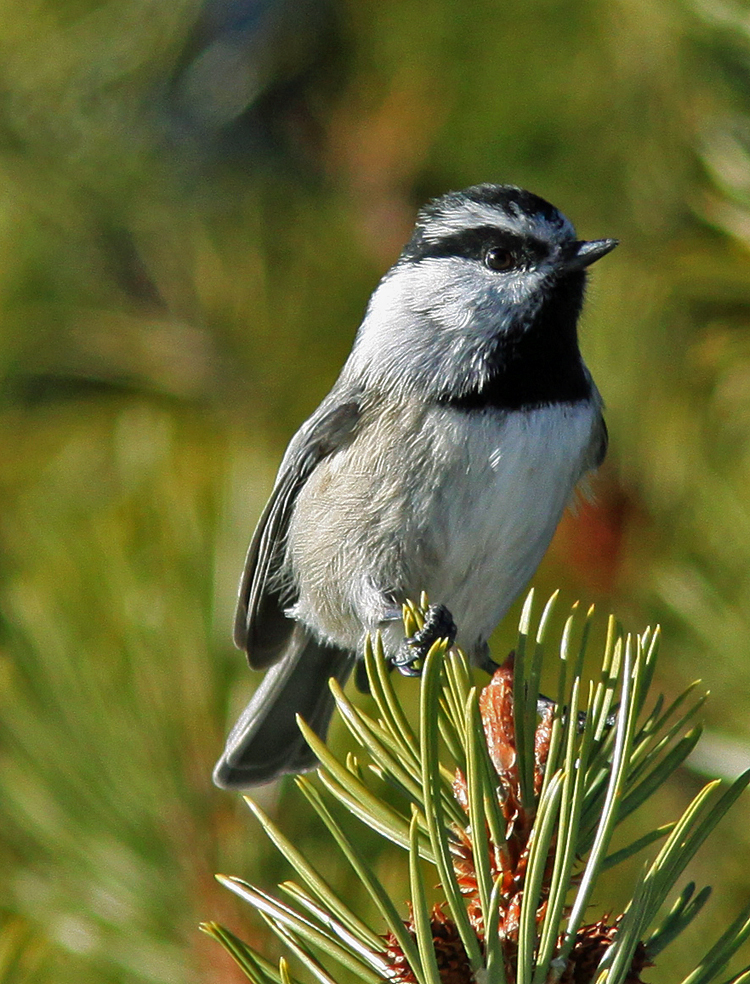
In any Ponderosa Pine habitat in the South Okanagan it is possible to see all but one of the Western nuthatch family: Pygmy, White breasted, and Red-breasted. These are even more easily viewed if you come across a property with seed or suet feeders. Often in their company are the quite common Black capped Chickadee, and, at this time of year, the Mountain Chickadee, which in other seasons are only found higher up. Both Downy and Hairy Woodpeckers are also attracted by suet feeders. Our provincial bird, the Steller’s Jay, and other members of the Corvid family like the Black billed Magpie, and the interesting Clarke’s Nutcracker always seem to be around.
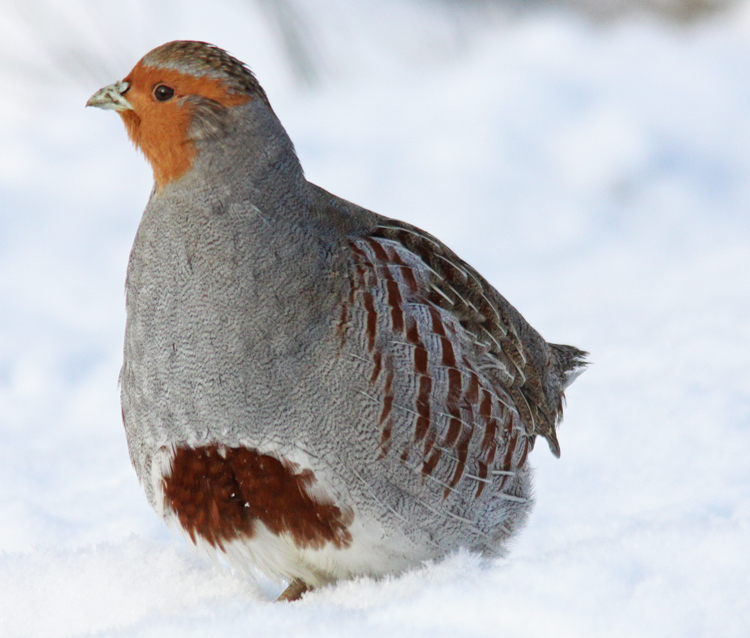
If you don’t mind a short drive, the sage and grass area of White Lake can be quite interesting in winter. Northern birds like the Northern Shrike and Rough legged Hawk come south from their more northern breeding grounds to search the area for food as the ground is mostly snow free, or the snow is not too deep. They are joined by the more common Red tailed Hawk and American Kestrel. The often elusive Gray Partridge is sometimes seen feeding by the road.
In Oliver itself, bird activity can be most intensive around the feeders that we humans put up, ( another topic in itself ). We are, however, very fortunate to have access to the hike/bike trail. The very handsome wintering Bohemian Waxwing is attracted to this area by the remaining wild berry crop, and, even, an annual insect hatch that occurs over the Okanagan River, usually in December. In the water more ducks spend the winter months. Careful looking in the trees that border the path will often reveal roosting Great horned Owls.
If birders wish to get up into the higher elevations in the area, more birds await in winter like the irruptive Common Redpoll, Ruffed and Dusky Grouse, Northern Goshawk, Pine Grosbeak, White winged, and Red Crossbill, and Boreal Chickadee, but, maybe, that should be the topic for another column.
Additionally other birds like American Tree Sparrow are always found in the shrubbery around Rd. 22 north of Osoyoos, and Osoyoos Lake itself attracts a variety of duck species as well as Common Loon, and, rarely the Yellow billed Loon.
Good birding, and don’t hesitate to write with your birding questions/comments.
To contact: thormanson@live.com