
By ROY WOOD
For three days this week, scientists, engineers, bureaucrats, politicians and members of the public put aside the Canada-U.S. border and focus on their shared jewel of the Okanagan, Osoyoos Lake. The Osoyoos Lake Water Science Forum 2015: A Watershed beyond Boundaries, Stewardship of Our Shared Waters looked at a diverse list of issues, including: how wildfires affect the lake water; the effects if climate change; planning for drought; the future of salmon and other fisheries; wetlands strategy; and invasive species, both plant and animal.
Anna Warwick Sears, a key organizer of the forum and executive director of the Okanagan Basin Water Board (OBWB), said in an interview following the closing session that the main goal had been achieved: beginning the cooperation and information exchange between key players north and south of the border.
Sears summed in up this way: “How are we going to work together to address things like milfoil and zebra mussels and keeping the fish alive as they move up from the Columbia River into Osoyoos Lake. “Building those relationships and figuring out who are the people we need to be talking to, what are they doing, what can we learn from them, how can we share resources.”
Zosel Dam
“For example,” she said, “The U.S. Corps of Engineers is doing a study around Osoyoos Lake to develop better operation of the (Zosel) dam. “It’s operated in an old school sort of way and there are ways to potentially improve it, both for the lake level and … so that the fish don’t die in the lower Okanagan River. … We have a lot of data at the OBWB that we can share with them to improve management of the dam. … Hopefully, we can put together some sort of partnership. “That’s just the sort of thing I hoped would happen,” said Sears.
Milfoil
An area in which there was little common ground was how to deal with Eurasian milfoil weed. Washington State uses a herbicide to kill the weed in Osoyoos Lake. But in B.C. the accepted method is mowing it with boat-mounted harvesting machines and disposing of the cuttings onshore. “The U.S. doesn’t like our harvesting program and Canadians don’t like using herbicides in the water. … Herbicides (are) something that for some reason the U.S. finds preferable, but it’s just a non-starter here. It’s a drinking water supply for so many people,” she said. “There was no resolution (on the issue), but it was a good discussion.”
Zebra Mussels
The potential scourge of zebra mussels is a source of deep concern on both sides of the border. For now, said Sears, the focus is keeping them out of the lake. Citing the recent invasion of Lake Winnipeg by the pernicious bivalves, Sears said, “As soon as heard there were adult mussels in a small bay on Lake Winnipeg, I knew they would be throughout the lake. “As soon as you have adult mussels, they’ve already released their little microscopic larvae into the water and they just get blown around the whole lake system. So we have to keep them out as best we can.” A recent Global News story quoted a University of Winnipeg professor of water quality and ecosystems saying that Lake Winnipeg is a lost cause. “The problem is irreversible and, in fact, it’s a catastrophe; it’s a disaster,” said Prof. Eva Pip. “It’s very sad because all we have to look forward to now in Lake Winnipeg is a complete and eventual collapse of our ecosystem.” It’s against this backdrop that officials in Washington and B.C. attempt to prevent an invasion of Osoyoos Lake. The primary weapons are the stations at which boats are inspected to make sure they aren’t carrying zebra mussels as they move from lake to lake. The strategy involves fixed and roving inspection and decontamination stations. Sears said that, at the recent Union of B.C. Municipalities convention, local elected officials met with provincial ministers, who are convinced that the current system offer the “best bang for the buck.” However, she said, “Maybe the buck isn’t quite big enough yet.” The water board is urging the province to consider a system being used on Idaho where a surtax on boat-owner licences is used to pay for the zebra mussel program.
Drought
The differences in approach between B.C. and Washington led to a “great conversation about drought and drought management,” said Sears. “In the months leading up to the drought this summer, the state of Washington was looking at the snow packs and was able to declare the drought much earlier than (in B.C.),” she said. The OBWB is currently studying the water conservation and drought plans throughout the Okanagan Valley. “We’re hoping that everyone … will have some sort of drought plan,” said Sears. She urged that jurisdictions such as Oliver, which she said has no water restriction bylaw and was unable to bring in water restrictions this summer, to develop such bylaws.
What can regular folks do?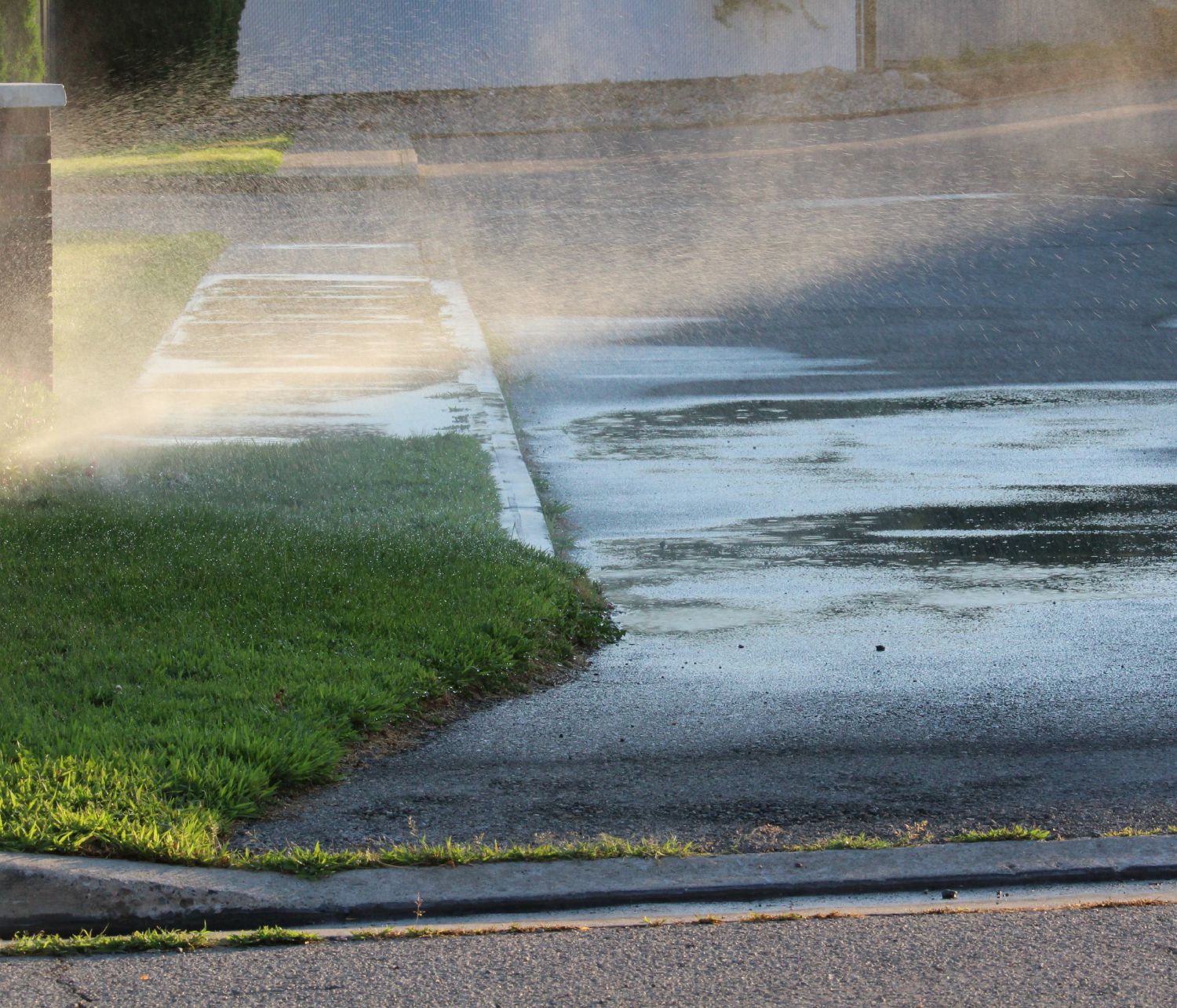
Asked what ordinary residents of the South Okanagan can do to help protect the water quality in Osoyoos Lake, Sears referred to lake pollution as “death by a thousand cuts.” But, she said, citing cars leaking fuel and oil, pesticide run-off and residential over-fertilization as some of the key, everyday pollutants that affect water quality, individuals can make a difference. “If you can make sure there is no water running off your yard and into the gutter, that’s probably the most immediate thing that people can do. Just retain the water off your roof and your yard,” she said.