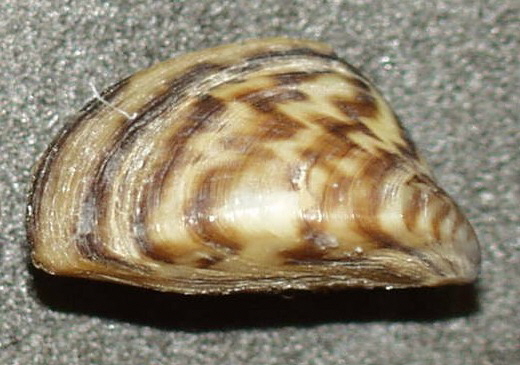
 Boat inspections keep invasive mussels out of B.C. waters |
|
| VICTORIA – A co-ordinated interprovincial response to invasive mussels has resulted in ten small competition sailboats and one Zodiac travelling from mussel-infested Lake Ontario being inspected at the Victoria Yacht Club. Ministry of Environment officials inspected all vessels on Aug. 27, 2014, and found no zebra or quagga mussels.
The Ministry of Environment was notified by officials in Alberta that a trailer carrying sail boats from Lake Ontario was travelling to Victoria. Three of the ten boats were inspected in Calgary and no zebra or quagga mussels were found. The driver of the trailer, along with a group of experienced sail boating students, were onsite at the Victoria Yacht Club to help unload and decontaminate the boats. All boats coming from suspected mussel-infested areas must be thoroughly cleaned with a hot water pressure wash, drained and completely dried. Earlier this month, Conservation Officers and government biologists partnered with border guards from the Canada Border Services Agency (CBSA) and the East Kootenay Invasive Plant Council to implement a pilot inspection station. A total of 132 boats were inspected and no vessels were found to be transporting prohibited aquatic invasive species. During the inspection 515 individuals were provided information about the risk of aquatic invasive species in new ecosystems. The Province will continue to set-up pilot inspection stations and work with other jurisdictions to respond to any contaminated watercrafts travelling to British Columbia. It is estimated that the cost of an invasive mussel infestation in British Columbia could cost the Province a minimum of $28 million per year. Zebra and quagga mussels pose a serious threat the B.C.’s aquatic ecosystems, salmon populations, hydro power stations and other infrastructure facilities. |