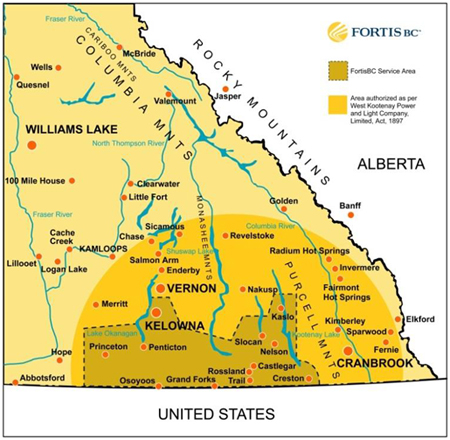
 Representatives of FortisBC told RDOS directors today that a stand alone power plant on the Similkameen River south west of Princeton cannot generate power at a cost that can make money for the company – but it still wants to build a storage dam that other parties might subsidize for flood control and fish enhancement.
Joseph Sukhnandan, project manager of FortisBC advised directors that:
1. This is a 400 million dollar plan to develop a storage dam and power generation plant which takes a long time with this phase of consultation about 2.5 years.
2. A long process is involved to complete a provincial environmental assessment plan
3. Developing mitigation strategies for problems and concerns
4. All trees would be removed to prevent contamination to fish
5. The storage lake could be 750 hectares in size and 30 metres deep Mayor Stu Wells says he would welcome such a project because it is the Similkameen river that causes flooding around Osoyoos Lake. Most directors agreed that flood control would be a benefit and power generation is a clean source of power.
Native bands are concerned about effects on fish and fishing. There are International Joint Commission issues because the Similkameen flows to the states. Project benefits could be shaping to improve water availability to downstream users, flood risk reduction on Osoyoos Lake and stable river volumes in all months.
Fortis is seeking those that would benefit downstream to contribute to the revenue mix. Concept engineering should be completed by this fall with Fortis expected to make an investment decision sometime before next year. Fortis Generation believes it’s important to reach out to communities and share information when a project is in the early stages of consideration,” said Joseph Sukhnandan, Project Manager.
“There remains at least two years’ worth of technical and environmental review and studies, continued discussions with local governments and First Nations, and broader public consultation to create a viable project for all stakeholders,” said Sukhnandan. Research into the feasibility of a water storage facility on the Similkameen began in 1990. A 2009 study conducted by a regional stakeholder group found that potential benefits from such a facility could include flood reduction in the Similkameen Basin, improved water quality in the lower Similkameen River and increased winter flows in the lower Similkameen River.