 Local government may be where the rubber hits the road, literally. But getting the majority to vote continues to be a challenge. A new report from the Columbia Institute looks at reasons why some people vote while others don’t and outlines new solutions.
Research into who didn’t vote in Vancouver’s last civic election highlights a democratic deficit in participation. People who didn’t vote last time out were more likely to speak a first language other than English, be young, lack higher education, move more frequently or have a low income. They were less likely to be connected to social networks in their community. Their non-participation likely means their concerns are under-represented in civic dialogue.
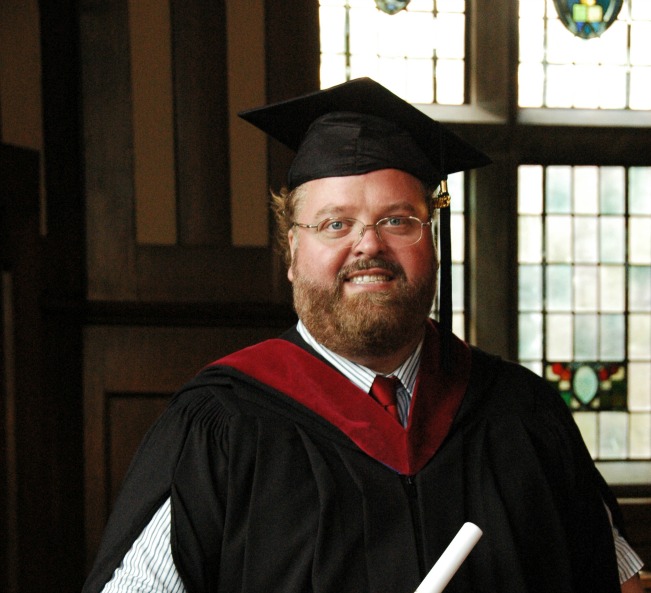
Norman Gludovatz is the author of the report and says there are new ways to increase turn out. “We need to stop talking at people with facts and figures about voting and start inspiring them to engage,” ~ “A good place to start is early voter registration of youth. We know the best indicator of life-long voting is early participation. Other jurisdictions are having success in getting more people to vote—we can too.”
It is not a secret that fewer people are voting. Voter turnout in elections in Canada has decreased at the federal and provincial levels to under 60% of the eligible voting population. Even more dramatically, in municipal elections voter turn-out is frequently as low as 20-30%.
“The vast majority of people simply do not vote in school board or municipal elections. We need to do a better job of voter literacy,” said Charley Beresford, Executive Director of Columbia Institute. “Ultimately when we re-engage people in voting, they also re-engage in their communities.”
The report is grounded in interviews and focus groups with non-voters from the last Vancouver municipal election. And its solutions are timely, in the lead up to municipal elections in B.C., Manitoba, Ontario, PEI, and parts of Saskatchewan, Nunavut, and the Northwest Territories.
Norman is a graduate of SOSS in Oliver.
Gludovatz recommends preregistration of teens while they’re still in high school in an attempt to develop life-long voting habits among youth, whose turnout is worse than older and handing out ‘I voted did you?’ stickers, recruiting celebrities to advocate for voting and even the use of incentives, like automatically entering voters in a lottery.
Secure online voting and more advanced voting days are other potential ways to make it easier to cast a ballot, he added.
.