The arrival of warmer weather means many of us are spending more time outdoors. The change in weather also brings out ticks – small bugs that feed on the blood of humans and animals and can sometimes transmit disease.
“Ticks are most often found in tall grass and wooded areas so covering up before you head outdoors and checking for ticks on yourself, your children, and your pets after being outdoors are simple things that go a long way to prevent tick bites,” said Jennifer Jeyes, Communicable Disease Specialist with Interior Health.
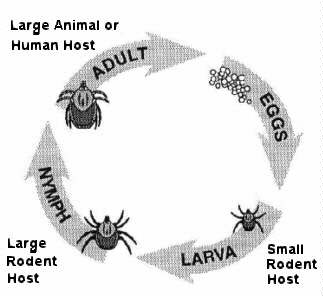 The most common tick species in the Okanagan Valley is the Wood Tick (Dermacentor andersoni), which does not carry the Lyme disease bacteria. The Wood Tick can carry other diseases such as Rocky Mountain spotted fever, although it is very rare. Some ticks also have toxins that can cause temporary muscle weakness and paralysis if attached for several days, but the symptoms fade once the tick is removed. Signs of many tick-borne infections can be quite similar and include fever, headache, muscle pain, and rash.
The tick species that carries Lyme disease (Ixodes pacificus) is more common in the coastal areas of the coastal areas of the province but may also be present in low numbers in the Interior region. Less than one per cent of Ixodes ticks in B.C. carry Lyme disease.