“I believe that disclosure of the information the Ministry possessed from its various reports would have been clearly in the public interest” Elizabeth Denham ruled.
“The information about the risk of failure of the Testalinda Dam was information that the public did not know and that would have likely resulted in the local citizenry, at the very least, pressuring government to take remedial action.”
BC Privacy Commissioner Elizabeth Denham (above) says the provincial government failed in its legal duty to warn downstream residents near Oliver about the public hazard from a deteriorating irrigation dam before its eventual collapse in 2010. This ruling points to the reluctance of government custodians of information to share it with citizens who both pay for it and need it to make informed decisions.
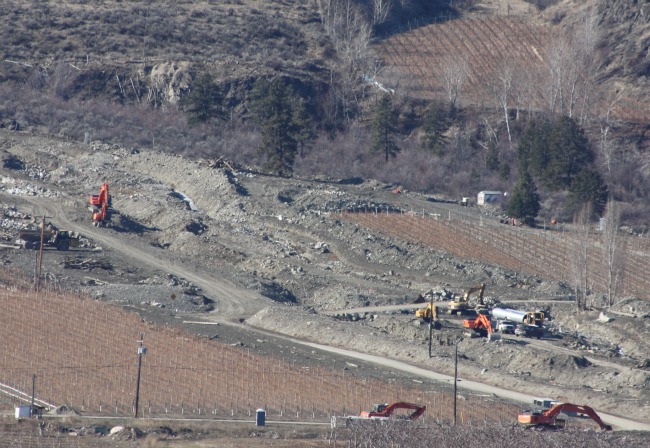
Although government inspectors first reported more than 35 years ago that the Testalinda Dam, built below Mount Kobau, had reached the end of its lifespan and represented “a hazard to life and property of some of the settled areas,” no warnings were issued.
The BC Government argued to Denham that because the dam didn’t actually fail until 2010, earlier decisions not to inform the public had been vindicated. Downstream residents were at risk. The dam did failed.