Okanagan River Restoration Initiative Sockeye Salmon Update September 5, 2013
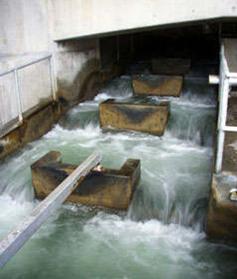 As September progresses anticipation builds waiting for the sockeye salmon migration from the Pacific Ocean, up the Columbia and Okanagan Rivers to spawn just north of Oliver. This year’s run is smaller than 2012 but to date, 129,588 sockeye have passed through the fish counter and up the fish ladder at Wells Dam in Washington State. From this number it is predicted that about 50,000 will spawn in the Okanagan River this year. Many sockeye have reached Osoyoos Lake where they are holding until Okanagan River water temperatures drop. Sockeye are also holding in the cooler waters of Wells Pool, the reservoir behind the Wells Dam.
Hot weather and low river flows have increased water temperature and lowered oxygen levels in Osoyoos Lake potentially causing a temperature/oxygen squeeze, meaning the fish are squeezed into a narrow band of water which has adequate temperatures and oxygen. If monitoring dictates the need water will be released from Okanagan Lake “pulsing” cooler, oxygenated water into Osoyoos Lake thus improving conditions for fish migrating to spawn and for fry from the 2012 spawning. When fry hatch just north of Oliver, they move downstream to Osoyoos Lake for about a year preparing to migrate downstream to enter the Pacific Ocean where they will spend about two years before returning to repeat the cycle.
This water “pulse” will be dictated by water conditions and what the fish need for their survival. The “squeeze” is not a new situation but one which can occur any year presenting the right climatic conditions. We are fortunate to be able to pulse cooler oxygenated water into Osoyoos Lake thus ensuring a successful northern migration by mature fish and providing conditions suitable to the growth of fry preparing them for their south westerly migration to the Pacific Ocean.
If a “pulse” is required a sudden rise in Okanagan River water flows may be noticed.
Wells Dam: The unique hydrocombine design incorporates the powerhouse, spillway, switchyard and fish facilities into one unit instead of separate structures.