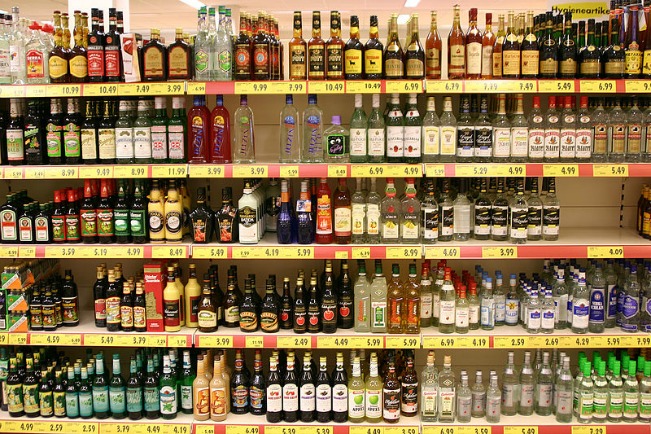
 A review of B.C.’s liquor laws has begun with a request for feedback from key industry groups and stakeholders.
In September, you will be asked for input to make practical reforms to B.C.’s outdated and inefficient liquor laws. The goal is to find practical, responsible solutions that improve consumer convenience and grow B.C.’s economy, all while ensuring public safety.
Parliamentary Secretary for Liquor Policy Reform John Yap begins the first phase of this review with letters sent out to major stakeholders throughout B.C. asking for written feedback and ideas for change. In the coming weeks, letters will also be sent to more than 10,000 liquor licensees and liquor agency stores. Following this feedback, Yap will meet with groups from industry, local governments, First Nations, police, and health and social policy associations throughout September and October.
Phase two will seek to engage the broader public in the consultation process. A Liquor Policy Review website will be launched in September where British Columbians can provide their input to the review. This opportunity will assist British Columbians in better understanding how B.C.’s liquor system works today, and provide opportunities for them to explore balanced, common sense approaches for government’s consideration.
Some limitations to convenience and economic activity that British Columbians have noted include:
- Not allowing minors that are accompanied by a parent or guardian into pubs that serve food during daytime hours.
- Not allowing wines and other local liquor to be sold at farmers’ markets.
- Not allowing establishments like spas to be eligible for licensing permits.
- Taking upwards of a year to obtain a licence for bars and pubs.
Following these two consultation phases, Yap’s report will be submitted to the Attorney General and Minister of Justice by Nov. 25, 2013. The report, which will be released to the public, will inform discussion and decision by government about any proposed changes, taking into account the need to balance economic and social interests with public safety and the health of British Columbians.
Quotes:
Attorney General and Minister of Justice Suzanne Anton –
“Right now, some of B.C.’s liquor laws go back many years. In concert with industry and citizens, we are looking to make practical and responsible changes which promote consumer convenience and economic growth in the province, with a strong eye to maintaining public safety and protecting the health of our citizens. Once the public consultation process begins in September, British Columbians can let us know how they would like to see B.C.’s liquor laws reformed.”
Quick Facts:
- This comprehensive review will consider all aspects of liquor policy in B.C. including licensing, control, and Liquor Distribution Branch distribution, and must provide recommendations that:
- Create a licensing system that responds to emerging marketplace realities and reflects current lifestyles and societal values.
- Provide flexibility for businesses and remove operational barriers to help grow the economy, while protecting public safety.
- Recognize the importance of jobs and investment in the hospitality, tourism and agrifoods sectors, in support of the BC Jobs Plan.
- Ensure there is a sustainable liquor manufacturing sector.
- Provide for an efficient and effective liquor distribution system.
- The review is guided by terms of reference which offer the following guiding principles:
- Ensure that government revenue is maintained or increased.
- Minimize health and social harms caused by liquor.
- Balance economic and social interests by ensuring public safety and the public interest of British Columbians and their communities are protected.
- Be evidence-based and transparent.
- Respect obligations under collective agreements and international and inter-provincial trade agreements.
- The Liquor Policy Review consultations are expected to end by Oct. 31, 2013.
- Liquor sales result in over $1 billion (net income plus PST generated from sales) each year in revenue to government.
- The last major review of B.C.’s liquor laws was completed in 1999, but did not include a public consultation component.